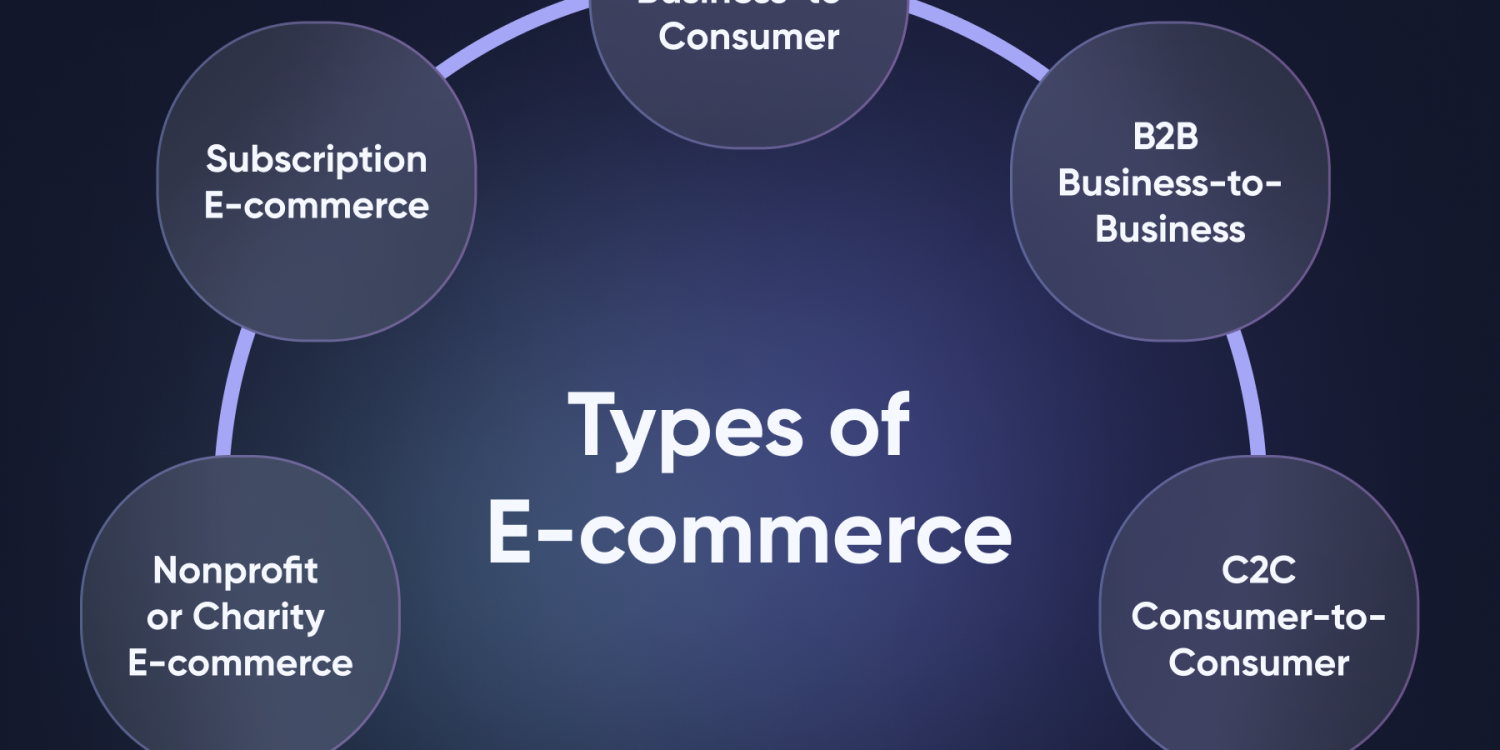
7 Major types of e-commerce
E-commerce comes in different types, mostly based on who is selling to who.
the main ones are like B2B, where businesses deal with other businesses. For example, a manufacturer might sell stuff to a wholesaler, or something like Slack provides software to companies. That seems pretty common.
Then there’s B2C, which is businesses selling right to people like you and me. Buying clothes on Nike.com is a good example of that. It feels straightforward, but I guess it covers a lot.
C2C is when regular people sell to other people, usually through some platform. eBay or Etsy, or even Facebook Marketplace, those are the spots where that happens. Sometimes it gets messy with all the individual sellers.
C2B flips it, individuals offering things to businesses. Freelancers on Upwork do that, or photographers selling their stock photos to companies. Not sure if that’s as big as the others, but its there.
B2G involves businesses working with government agencies, providing software or consulting for public stuff. And C2G is people dealing with the government online, like paying taxes or renewing a passport. Those two help make things more efficient, I suppose.
D2C is newer, brands going straight to customers without middlemen. No wholesalers or retailers in between.
Some terms overlap. Like B2C is also called online retail or e-tailing. B2B might be wholesaling or e-markets. B2G is sometimes B2A, business to administration. C2G as C2A. C2C just third-party marketplaces.
Key points, B2B takes up most of the market, around 80 percent of e-commerce. D2C lets brands skip the extras. The government ones, B2G and C2G, handle payments and services digitally. That part stands out as useful, even if its not the flashiest.
Types of E-commerce Business Models Explained
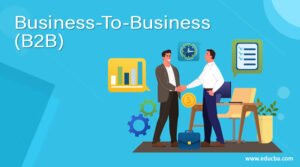
1.Business to Business(B2B)
Business to business, or B2B, basically means when companies deal with each other, like one selling stuff or services to another business. It is not like selling to regular people. I think the main thing is these transactions happen in bigger ways.
One feature that stands out is how they do bulk transactions, you know, large amounts at once. There are also long term relationships between the companies involved. Pricing gets negotiated a lot, not just fixed prices. And the decision making can be pretty complex, with more people weighing in.
For examples, take a wholesaler who supplies goods to different retailers. Or a software company giving tools to big enterprises. Alibaba Group is a good one too, it connects suppliers from around the world with businesses that need things.
The advantages seem solid. There is high revenue potential since deals are larger. Demand feels more stable, not up and down like with consumers. Partnerships can get really strong over time.
But there are downsides. Sales cycles take longer, which might slow things down. The whole process is more complex, with all those negotiations and decisions.
Now, shifting to business to consumer, or B2C. This is when businesses sell straight to individual people, like you or me buying something online. It feels more direct.
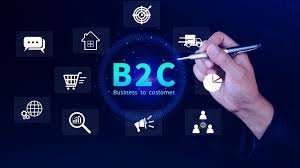
2.Business to Consumer(B2C)
basically when companies sell stuff right to regular people, like everyday consumers buying for themselves. That seems straightforward enough.
Features wise, there’s direct sales happening, no middlemen involved. Pricing is usually fixed, which makes sense for quick buys. The buying cycle stays short, people decide fast and get it over with. And they put a lot into customer experience, trying to make it nice and easy.
Examples include online stores and those food delivery apps. Amazon is a big one, or Flipkart too, they ship everything directly to your door.
Advantages are pretty clear, you get a huge customer base out there. Transactions happen quicker than in other setups.
But disadvantages, high competition means everyone is fighting for attention. Marketing costs add up fast, it feels like a lot to keep up with. I am not totally sure if that covers everything, but yeah.
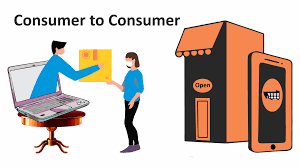
3.Consumer to Consumer(C2C)
basically when regular people buy and sell stuff directly from each other, and some platform helps make it happen. Like, its not companies dealing with customers, but just individuals trading things online or whatever.
One thing about it is the peer to peer part, where anyone can sell their old items without needing a big setup. Entry barriers are low, which means you don’t have to be some expert to start. And its all based on these platforms that connect everyone.
For examples, think about selling used clothes or gadgets on sites like eBay. Or online auctions, where people bid on things others don’t want anymore. eBay is a classic one, and OLX too, they let folks post their stuff easily.
I think the low cost is a big plus, since you avoid middlemen fees or something. It also encourages people to reuse items instead of throwing them out, which is kind of good for the environment, I guess.
But there are downsides. Fraud can be a risk, like getting scammed by fake sellers. And quality issues pop up, because you cant always trust what you’re getting from a stranger. That part seems tricky to handle sometimes.
4.Consumer to Business(C2B)
basically means consumers selling stuff or services right to companies instead of the other way around. Like, people taking the initiative to offer what businesses need.
Freelancing comes up a lot in this, where someone does gigs on their own terms. Platforms like Upwork and Fiverr make it easy for that. You know, individuals setting their own prices, which feels pretty flexible.
Influencers are another example, they promote brands and get paid for it. Its kind of individual driven, not some big company pushing things.
On the plus side, it opens up income for regular people, and you can reach clients anywhere in the world. That global part seems useful. But then there’s the downsides, income isn’t steady at all, you might have dry spells. And competition is fierce, everyone is trying to grab those jobs.
5.Business to Government(B2G)
basically when businesses deal with government agencies, like selling stuff or services to them. Its not the same as regular business deals because the government has all these rules and stuff.
One thing about B2G is that contracts are usually pretty big, like large scale projects. There are strict regulations too, and everything follows formal procedures, which makes sense I guess since its the government involved. For example, IT companies might provide software to some department, or construction firms build public infrastructure, roads or whatever.
In India, they have this platform called Government e Marketplace, or Gem, that helps make these transactions easier. It seems like a way to connect businesses directly without too much hassle, at least that’s what I read.
The advantages are obvious, high value contracts mean good money, and payments are reliable because its the government. But then there are disadvantages, like the bidding process is super complex, and dealing with all the regulations can be a real challenge. Sometimes it feels like it takes forever just to get started.
6.Consumer to government(C2G)
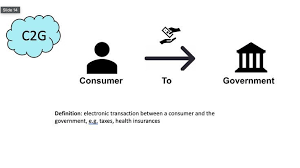
basically when people deal directly with the government through online stuff, like making payments or getting services. It feels like a way to cut out the middleman, you know, instead of going to offices all the time.
One thing that comes to mind is paying taxes online, which saves a ton of hassle. Or applying for licenses and certificates without waiting in lines. In India, the Income Tax Department lets you file taxes digitally, and that seems pretty straightforward for a lot of folks.
The features include online public services and digital payments, plus those government portals where everything is centralized. I think portals make it easier to find what you need, but sometimes they are not as user friendly as they could be.
Convenience is a big plus here, no doubt. It saves time too, especially if you are busy with work or school. On the other hand, not everyone has the digital literacy to handle this, which could leave some people behind. Technical issues pop up now and then, like site crashes during peak times, and that gets frustrating.
7.Direct to Consumer(D2C)
basically means that companies or brands who make stuff sell it straight to people buying it, without going through stores or those middle guys like wholesalers. I think that’s the main idea, right. It skips a bunch of steps.
One thing about this model is there are no middlemen involved at all. That lets the brand talk directly to customers, which seems pretty useful. They get to control their whole image too, like how its presented. Brands like Nike do this by selling on their own websites, or even through social media. boat is another one, they have their platforms where you can just buy from them.
It feels like this way they can make more money since profits aren’t split up. Customer relationships get stronger because they’re dealing with people one on one. And branding stays exactly how they want it. But then there are downsides, like you have to handle all the marketing yourself, which might be tough if you’re not big. Logistics is another hassle, figuring out shipping and all that.
Some people might say its great for building loyalty, others point out the challenges in scaling up. I am not totally sure how smaller brands manage without retailers, but examples show it works sometimes. Direct interaction sounds good, though it probably takes a lot of effort. Overall, higher margins are a big plus, but yeah, the management part gets messy.