

Is web dev dead due to AI
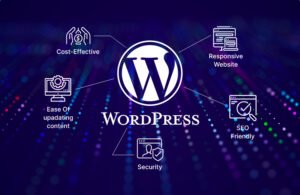
Is web development dead due to AI is a common question, but the real answer is that web development is changing—not disappearing.
People ask if web development is “dead” because of AI. It’s a common worry, but the truth is more mixed and mostly positive. Web development isn’t dead. It’s changing fast because of AI. AI isn’t wiping out developers. It’s changing how sites get made. Things are faster, often easier, and more open to beginners.
Is Web Dev Dead Due to AI? Reality vs Hype
is web dev dead due to ai.This topic breaks into five parts. Introduction to AI in Web Development. Impact on Traditional Roles. New Opportunities Created by AI. Skills Required in the AI Era. Future of Web Development.
Introduction to AI in Web Development explains how AI fits into modern web tech. Tools can generate code, design layouts, suggest content, and even auto-debug. GitHub Copilot and ChatGPT give instant code suggestions and fixes. Website builders are getting smarter and can make designs and content automatically. That makes it easier for beginners to spin up sites without deep technical knowledge. But these tools still need human input and guidance. Developers are still needed.
is web dev dead due to ai,Impact on Traditional Roles looks at how AI affects existing web jobs. Some repetitive work is getting automated. Basic coding, testing, and debugging can be handled partly by tools now. That might cut demand for roles that only do simple tasks. But it doesn’t end the need for developers. Work shifts toward tougher, more creative problems. Developers need to know system design, user experience, and problem solving at a deeper level. AI acts as a помощник (assistant), not a replacement. It lets developers focus on higher-value work instead of routine coding.
New Opportunities Created by AI shows the new career paths opening up. Devs can build AI-powered apps, plug machine learning models into sites, and make smarter user experiences. Think chatbots, recommendation engines, and personalized content all driven by AI. That creates demand for people who know web tech and AI ideas. There’s also growing need for folks who can manage, train, and tune AI tools. AI isn’t shrinking the field. It’s making new roles that didn’t exist before.
is web dev dead due to ai,Skills Required in the AI Era covers what developers should learn. Basic coding still matters. But you also need to know how to work with AI tools. Write prompts. Check AI-generated code. Keep an eye on quality and security. JavaScript and modern frameworks still matter. Problem solving and critical thinking too. And soft skills — communication and creativity — those are hard for AI to copy. Keep learning. Tech moves fast and you have to keep up.
Future of Web Development looks at the long view. Web development should grow as more businesses move online. AI will keep shaping the field, but it will work with developers, not replace them. Expect a mix of no-code, low-code, and full-code ways to build things. Developers who learn to use AI as a tool will have an edge. Demand for people who can build secure, scalable, and user-friendly applications will stay strong.
is web dev dead due to ai,So no, web development isn’t dead because of AI. Routine tasks may be automated and work gets faster. But human creativity, decision-making, and problem solving still matter. See AI as a tool that boosts productivity and opens new paths. Adapt, keep learning, and developers can still build solid careers in this changing space.
Automation of basic tasks:
Automating basic tasks is a big change in web development, especially with AI and smarter tools showing up everywhere. It means using software, scripts and AI systems to do repetitive, time-consuming jobs with little human effort. Back in the day developers had to write tons of code by hand, test features step by step, fix bugs, and keep content updated. Now a lot of that can run automatically, so dev can spend time on harder, more creative work. You can look at this across five areas. Introduction to Automation, Types of Tasks Automated, Tools and Technologies, Benefits and Challenges and Future Scope.
is web dev dead due to ai.The first area, Introduction to Automation, covers the basic idea. Automation is using tech to do stuff without someone watching every step. In web work that means things like code generation, testing, deployment and content management. Modern sites are more complex and teams need to move faster. Developers are expected to ship good products quickly. Automation cuts down on manual work and mistakes. It also keeps things consistent because the automated steps follow the same rules. Not trying to replace developers. It just makes them more efficient.
The second area, Types of Tasks Automated, looks at the common tasks that get automated. Code generation is one. Tools can spit out code snippets from user input. GitHub Copilot, for example, suggests lines of code in real time. Testing is another. Automated test tools run many cases and surface bugs so you know the site works. Deployment is often automated too, with CI/CD pipelines that update the site when changes land. Content tasks like updating posts or managing user data can be scripted or handled with plugins. These examples show how automation cuts down repetitive manual work.
The third area, Tools and Technologies, goes through what people actually use. AI tools like Chat-GPT can generate code, explain ideas and help solve problems fast. Git and other version control systems automate tracking changes and team collaboration. Build tools and task runners handle file optimization, compilation and asset work. Testing frameworks check whether the app behaves as expected. In WordPress you have plugins that automate backups, security scans and SEO tweaks. Together these tools shape a smoother workflow and shave off manual effort.
The fourth area, Benefits and Challenges, talks about the pluses and the catch. The big upside is productivity. Tasks finish faster and with fewer mistakes. Consistency improves because the same steps run every time. Developers get relief from repetitive work and can focus on design and hard problems. But there are downsides. Relying too much on automation can leave people with shallow understanding, especially beginners. Automated tools can also produce bugs or clunky code that need a human to fix. And getting automation set up can take time and effort up front. You need balance between automation and human judgement.
The fifth area, Future Scope, looks ahead. As AI gets better, automation will handle more complex work. Intelligent systems will help with decision-making, design and optimization more and more. Still, humans will matter for creativity, critical thinking and tricky problem solving. The future will mix automated tools with developer expertise. Folks who learn how to use automation well will have an edge.
To wrap up, automating basic tasks is changing web development by making work faster, more reliable and less repetitive. It lightens the load so developers can do more meaningful work. There are challenges, but the benefits usually win. Automation is a tool that boosts what developers can do, not a replacement for them. Knowing how to use these tools makes you more productive and keeps you competitive.
Shifting roles:

Shifting roles in web development is one of the biggest changes happening in tech right now. Automation and AI are growing fast. Development tools keep getting better. The old idea of a web developer — someone who only writes code — is changing into a more dynamic, multi-skilled role. Developers don’t just write code anymore. They need to know design and UX, think about business goals, and understand system architecture. It isn’t shrinking opportunities. It’s changing them and opening new career paths. You can see this across five main areas. They are Evolution of Developer Roles, Changing Responsibilities, Collaboration and Hybrid Roles, Tools and Technologies Driving Change, and Future Career Outlook.
is web dev dead due to ai.First, Evolution of Developer Roles. Back in the early internet days developers mostly built static HTML pages and wrote basic scripts. As tech moved on, roles got more specialized. Front-end people focused on interfaces. Back-end folks handled server logic and databases. Now those lines are blurring. Full-stack developers who work on both front and back are more common. New roles showed up too, like DevOps engineers, UI/UX designers, and product-focused developers. AI tools such as GitHub Copilot and platforms like ChatGPT sped this along. Developers lean on these tools to help write code and solve problems. The role is getting broader and more versatile.
Next, Changing Responsibilities. Day-to-day work is shifting. In the past developers spent most of their time writing code by hand, hunting bugs, and managing basic features. Now automation and AI take care of a lot of repetitive stuff. That frees people to do higher-level work. Designing system architecture. Tuning performance. Thinking about security. Focusing on the user and the business, not just technical implementation. So developers need stronger critical thinking and problem-solving. They make decisions and create solutions instead of just following instructions.
Third, Collaboration and Hybrid Roles. Modern projects force people to work together — designers, developers, testers, and business stakeholders. Roles are getting hybrid. A front-end developer might need basic design skills. A back-end developer may work closely with DevOps for deployment and scaling. Some jobs even mix titles, like developer-designer or developer-analyst, where technical and non-technical skills come together. Communication and teamwork matter a lot, especially in agile teams. Technical chops alone don’t cut it anymore. Soft skills matter too.
Fourth, Tools and Technologies Driving Change. New tools are changing how work gets done. AI-powered assistants, automation systems, and cloud platforms cut down manual work and speed up development. GitHub Copilot helps write code. Cloud services simplify deployment and scaling. Content management systems like WordPress let non-developers build sites, which pushes developers toward customization and advanced features. These technologies aren’t replacing developers. They change how developers work. People must learn to use and integrate these tools and keep the final product high quality.
Fifth, Future Career Outlook. What does this mean for jobs? Demand for developers should stay strong, but the skills employers want will keep evolving. People who adapt, learn new tech, and expand their skill sets will have better opportunities. Some roles will get very specialized, like AI integration or cybersecurity. Other roles will stay broad, like full-stack work. Continuous learning will be necessary because the industry keeps changing. The future will favor developers who mix technical expertise with creativity, problem-solving, and teamwork. Shifting roles look more like opportunity than threat.
All together, this shift matches the industry’s natural evolution as new tech and new demands arrive. Developers are moving beyond traditional coding into strategic, creative, and collaborative work. It will mean learning new skills and new tools, yes. But it also opens a wide range of paths for career growth. Keep learning and adapting, and you’ll stay relevant in web development.
Irreplaceable human skills:
is web dev dead due to AI. Human skills still matter a lot in web development, even as AI and automation move fast. Machines can do repetitive work, spit out code, and help with parts of the process. But some abilities are just human. They make digital products feel real and useful. In modern web work these fall into five areas. Creativity and Design Thinking, Critical Thinking and Problem Solving, Communication and Collaboration, Emotional Intelligence and User Understanding, and Adaptability and Continuous Learning.
The first area, Creativity and Design Thinking, covers what AI can’t copy. Creativity is about new ideas, thinking off the usual path, and coming up with solutions that stand out. In web work that shows up in UIs and UX. AI might suggest layouts or generate templates. It does not have real originality and it misses cultural context, trends, and deep human emotion. Designers and devs use creativity to make sites look good, build navigation people can actually use, and write content that connects. Design thinking means digging into user needs, framing the problem, and then inventing new approaches. That part needs human imagination.
The second area, Critical Thinking and Problem Solving, is about judging complex situations and making choices. Web projects throw up surprises. Bugs, performance issues, architecture trade-offs. Tools like ChatGPT and GitHub Copilot can offer fixes or ideas. They do not truly grasp the context or the long‑term effects. Developers must weigh options, think through trade-offs, and pick what fits the requirements. That kind of judgment comes from experience and reasoning. You can’t fully automate it.
The third area, Communication and Collaboration, is about working with others. Web development is rarely solo. Teams include developers, designers, product people, and clients. Clear talk helps everyone get the goals and avoids costly mistakes. Collaboration means sharing ideas, giving feedback, and aligning on what to build. AI can help draft docs or give suggestions. It can’t replace real conversations, negotiating priorities, or the relationships that keep a team moving.
The fourth area, Emotional Intelligence and User Understanding, is about reading people. Emotional intelligence covers empathy, self‑awareness, and the ability to connect. Web teams need that to make user‑centered designs that actually meet real needs. You think about how someone will feel on a page and try to make the experience smooth and accessible. AI can analyze data and predict behavior, but it cannot (feel) emotions or live the human experience. Human insight matters for making products that resonate.
The fifth area, Adaptability and Continuous Learning, is about staying ready to change. Tech keeps shifting. New tools, frameworks, and trends show up all the time. Developers need to learn and adapt to stay useful. That means trying new tech, tracking industry shifts, and building both hard and soft skills.is web dev dead due to ai, AI can give information and help you learn. But the drive to grow, experiment, and take on challenges comes from the person.
So, these human skills are what make web developers valuable today. AI and automation boost productivity and take over repetitive work. They do not replace creativity, critical thinking, communication, emotional intelligence, or the willingness to keep learning. Work on those skills and you’ll stay relevant no matter how advanced the tools get.
Increased productivity:

is web dev dead due to AI,Increased productivity in WordPress development means building, managing, and keeping websites running faster and with less fuss using WordPress itself and its ecosystem. WordPress is one of the most popular content management systems. It cuts down complex work and lets both beginners and pros make solid websites with less effort. You get that productivity from ready themes and plugins, plus simple interfaces and some automation.
is web dev dead due to AI,This idea breaks down into five parts. They are Overview of Productivity in WordPress, Role of Themes and Page Builders, Plugin Ecosystem and Automation, Content Management Efficiency, and Long-Term Benefits and Future Scope.
Overview of Productivity in WordPress. WordPress gives you a pre-built framework so you do not start from zero. It handles core things like routing and database work, plus user handling. That speeds up development and frees people to focus on customization and content. The dashboard is simple and easy to use. So, beginners can put sites together fast. And experienced developers can still build advanced stuff on the same platform. WordPress ends up acting like a productivity booster by making a lot of the plumbing invisible.
Role of Themes and Page Builders. Themes provide ready designs you can install and tweak in minutes. No need to design everything from scratch. There are thousands of free and paid themes to pick from. Page builders such as Elementor speed things up with drag-and-drop. Instead of hand-coding HTML and CSS you arrange elements like text and images, or buttons and forms. That cuts the time needed to design pages and lets you change things quickly. WordPress makes front-end work easier and faster.
Plugin Ecosystem and Automation. Plugins let you add features and automate tasks without coding. WordPress has a huge library you can browse and install. SEO tools like Yoast SEO help with optimizing content, and form plugins like Contact Form 7 let you create contact forms بسهولة (easily). Other plugins handle backups and security, or caching and performance tweaks. That reduces manual work and helps sites run smoothly. Developers can also write custom plugins when they need something specific. The plugin ecosystem really drives automation of repetitive tasks.
Content Management Efficiency. The editor makes adding and updating pages and posts straightforward. Media is easy to manage. You can schedule posts and use revisions to track changes. Multiple people can work on the same site with different roles and permissions, which helps team workflows. WordPress also links up with various tools and services, so managing lots of content gets simpler. Overall, content tasks take less time and need less technical knowledge.
is web dev dead due to ai,Long-Term Benefits and Future Scope. Faster development and less effort mean businesses and individuals can launch sites sooner and adapt as needs change. WordPress keeps evolving. Block-based editing and better performance tools are examples of features that boost productivity over time. Developers who use WordPress can finish projects quicker, take on more work, and spend more time on new ideas instead of repetitive setup. As demand for websites grows, being able to work efficiently will matter more.
is web dev dead due to ai.To wrap up, increased productivity in WordPress development comes from its user-friendly design, themes, the plugin ecosystem, and content tools. Those parts cut down manual coding and let people build and manage sites faster. Tools and automation do a lot, but human creativity and choices still matter for the best results. Combine WordPress with good workflows and you can make high-quality sites in less time.