
Ecommerce development design company services help businesses build secure, fast, and user-friendly online stores that convert visitors into customers.
An e-commerce development and design company builds online stores for businesses of all sizes. They handle design and keep the site running. Online shopping is a huge part of how people buy now, and businesses need professional sites to sell their products or services effectively. These firms mix technical know-how with creative design and business thinking to make platforms that attract customers and drive sales.
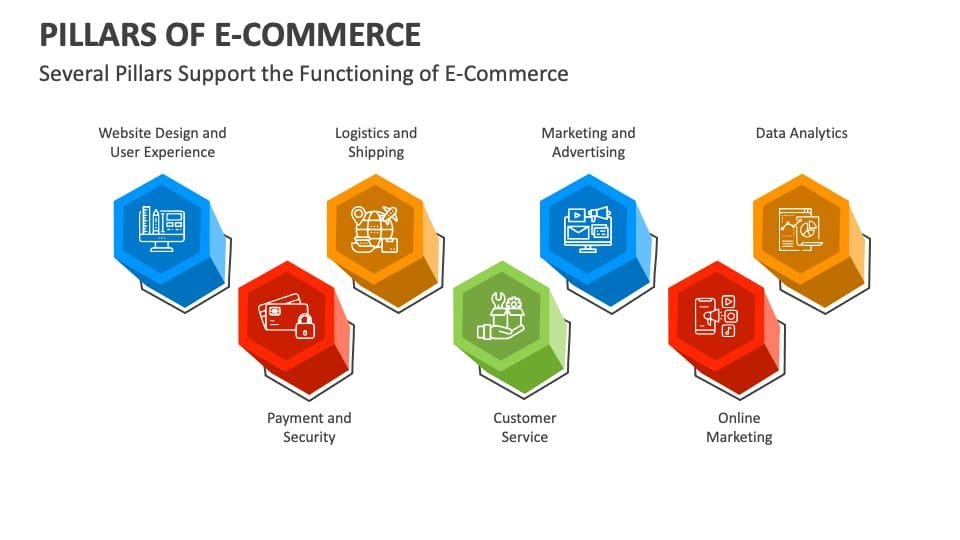
They do more than just make a website. They work on user experience and user journeys. They set up payment systems and manage product catalogs. They also handle security and put together ways to market the store. The main goal is simple. Create a shopping experience that’s easy to use, looks good and gets people to buy. Digital tools keep changing fast. So demand for e-commerce development and design help keeps growing across industries.
Core Services Offered by E-Commerce Companies
E-commerce development and design companies do a lot for different businesses. They build websites. Developers set up the structure and the features of an online store. That means product pages and shopping carts. Also checkout flows and user accounts.
They do UI/UX design. Makes the site look and feel better. That helps keep people on the site and usually boosts sales. They also optimize for mobile so sites run on phones and tablets.
They connect payment gateways with shipping and inventory tools. And they handle maintenance and support. Keeps the site updated, safer, and working over time.
Importance of E-Commerce Development Companies
E-commerce development companies help businesses succeed online. Without professional development, websites can be slow or insecure. A bad user experience then costs you customers.
A well-built e-commerce site gets a business in front of people around the world. It runs 24/7 and cuts operational costs compared to a physical store. Developers make sure the site is fast and secure. Easy to use too. Those things matter for e-commerce success.
They also keep businesses competitive by adding modern tech like AI-based recommendations and personalized shopping. And they provide advanced analytics. So they end up being a partner for any business that wants to grow online.
Technologies Used in E-Commerce Development
E-commerce development companies use a mix of technologies to build and manage online stores. Frontend tech like HTML, CSS and JavaScript. And they make the user interface. Backend tech include PHP, Python and Node.js. They handle server-side operations.
Platforms like Woo-Commerce, Shopify and Magento are commonly used to develop e-commerce websites. They come with built-in features and tools for development and management. Databases like MySQL or MongoDB store product information, customer data and transaction details. Cloud hosting and content delivery networks (CDNs) are used to improve performance and scalability.
Design Principles in E-Commerce Websites
Design plays a major role in the success of an e-commerce site. It attracts customers and guides them through the buying process. Good design does both. E-commerce design companies follow certain principles to make the site effective. These principles guide design choices every step.
Simplicity is one. Keep pages clean. Make navigation obvious. Consistency is another. Use the same colors, fonts and layouts across the site. Visual hierarchy matters too. It helps users focus on key things like product images and call to action buttons.
Responsive design makes the site work on desktops, mobiles and tablets. Accessibility is considered as well. So the site is usable for people with different abilities.
User Experience (UX) and Conversion Optimization
User experience is one of the most critical aspects of e-commerce design. If the experience is good, people stay on the website and actually buy things. Companies work on smooth navigation and faster loading. Checkout flows should be simple.
Conversion optimization is about turning visitors into customers. That means clear call-to-action buttons. It means product pages that give real details and let customers leave reviews. Features like one-click checkout or guest checkout help. Multiple payment options help too.
Personalization matters too. Sites show products based on what people like and how they behave. That makes shopping better and raises the odds of a sale.

Security and Payment Integration
Security matters in e-commerce. Sites handle sensitive customer info like payment details and personal data. E-commerce developers add protections to keep that data safe.
They use SSL certificates to encrypt traffic. That makes the connection between user and server secure. They also plug in secure payment gateways so transactions go through safely. And they set up firewalls, keep systems patched and run monitoring to spot cyberattacks.
Payment integration matters too. Customers expect multiple ways to pay, like cards or digital wallets and sometimes online banking today. Smooth, secure payment flows build trust and improve customer satisfaction.
Challenges Faced by E-Commerce Development Companies
E-commerce development companies face a lot of challenges. They matter, but they still run into problems. Keeping up with fast-changing technologies and trends is a big one. They have to update skills and tools all the time to stay competitive.
Compatibility is hard too. Sites must work on many devices and browsers. That takes a lot of testing and optimization. Security threats never stop. Teams need constant monitoring and frequent updates.
Handling large volumes of data and traffic is tough, especially for growing businesses. Companies must make sure their infrastructure can handle higher demand without hurting performance.
Future Trends in E-Commerce Development
E-commerce development is changing fast. New tech and shifts in how people shop are driving it. AI and machine learning power personalized recommendations and improve customer experience. Voice commerce, where users buy things with voice commands, is growing. Augmented reality, or AR, lets customers see products before they buy. That makes shopping feel more real. Headless commerce and API-based architectures are getting more popular. They give developers more flexibility. Mobile commerce keeps growing, so optimizing for mobile is a must.
Introduction to E-Commerce Development and Design Companies
E-commerce used to mean simple online catalogs. Now stores are full apps that must race on speed and usability. Customers expect the same smooth feel on phones and desktops. They want fast checkouts and correct product info. A couple payment choices. Delivery updates that actually work. In that world e-commerce development and design companies do most of the heavy lifting. They help brands plan, build, tune, and run online stores that look professional, load fast, rank in search, and turn visitors into buyers. This intro covers what those companies do, how they work, the services they offer, the tech they use, and how to pick a partner.
What Are E-Commerce Development and Design Companies
These are agencies or teams that build shopping experiences for businesses. They handle the front end — storefront layout, product pages, navigation, branding and interaction design. And the back end — catalog management, pricing rules, payments, shipping, inventory, security and performance. Some shops focus on design and UX. Others are more engineering driven and take on custom builds and integrations. The best teams mix strategy, design and development so the store not only looks good but actually works, can scale, and makes money.

Why Businesses Hire These Companies Instead of Building In-House
Many businesses start with DIY platforms or templates. That often works at first. But limits show up fast when you need custom features, better speed, higher conversion, or ERP and CRM integrations. Agencies usually cut risk. They bring repeatable processes, specialized talent, and experience across industries. They also speed time-to-market and help avoid costly technical mistakes. Agencies provide skills that are hard to keep in-house like conversion work, performance engineering, UX research, accessibility, and secure payments. Even teams with internal staff hire agencies for big redesigns, platform moves, or seasonal spikes.
The Difference Between E-Commerce Design and E-Commerce Development
Design is about the user experience and the visual interface. How the store looks. How people move through categories. How product pages are laid out and how checkout removes friction. Good design is more than pretty. It covers usability, information layout, trust signals, and mobile-first layouts that nudge people toward buying. Development makes those designs actually work. Databases, APIs, platform setup, payments, shipping logic, taxes, promotions, accounts, security, and performance. In real projects design and development must work together. A great-looking store can still fail if it is slow or unreliable.
Core Services Offered by E-Commerce Development and Design Companies
Most agencies cover the whole store lifecycle. Discovery and strategy. UX research and UI design. Development and platform setup. Custom themes or headless frontends. Product and content structure. Integrations. SEO basics. Performance tuning. QA, launch support, and ongoing maintenance. Many also do growth work like A/B testing, analytics tweaks, conversion optimization, email and marketing automation, and features such as subscriptions or marketplace selling. The exact mix depends on whether the agency specializes in a platform like Shopify or Magento or does broader custom work.
Discovery and Strategy. Setting the Foundation for a Successful Store
Good e-commerce projects start with discovery. The agency learns about the business, customers, competitors and goals. That phase clarifies what the store should do. For example increase online revenue, open new regions, cut cart abandonment, or boost repeat purchases. Discovery usually includes stakeholder interviews, competitor reviews, analytics checks, and spotting technical constraints like legacy systems or fulfillment workflows. Agencies may map customer journeys, define user personas, and set measurable goals such as conversion rate targets, page speed aims, average order value improvements, or lower checkout drop-off. A solid strategy stops teams from building features that nobody needs and saves a lot of rework later.
UX (User Experience) Design for E-Commerce.
How Customers Actually Buy
UX design is about removing friction and building confidence. Agencies plan site structure — categories, filters, search and product discovery — and decide product page layouts with images, variants, pricing, reviews, size guides and delivery details. Checkout is simplified. Designers spend a lot of time on mobile because many customers shop on phones. Small problems — slow pages, poor photos, confusing filters, surprise shipping fees — make people leave fast. Good UX also thinks about accessibility and clarity so everyone can read, navigate and buy without trouble. When UX works, the store feels easy to use and people come back.
UI (User Interface) and Brand Design. Building Trust and Recognition
UI turns brand identity into a storefront that feels consistent and credible. Credibility matters. Customers decide in seconds if they trust a site. UI designers pick type, spacing, colors, button styles and image rules that match the brand and make actions obvious. They build reusable components like product cards, banners, headers, menus, review areas and checkout forms so pages feel unified. Strong UI helps merchandising too, showing promotions and recommended products without making the site feel spammy.
Platform Selection. Shopify, WooCommerce, Magento, Custom Builds and Headless
Choosing the right platform is a big decision. Agencies help pick platforms based on budget, time, scale and needed features. Shopify is common for quick launches and hosted stability with a big app ecosystem and simple admin. Woo-Commerce fits WordPress sites and can be budget friendly although it needs careful hosting and upkeep for speed and security. Magento, now Adobe Commerce, suits complex catalogs and enterprise needs but usually costs more to build and host. Some go headless where the frontend is custom, often with frameworks like Next.js, while the backend can be Shopify, Commerce Tools, Big-Commerce or Magento. Headless can give better performance and design freedom, but it needs stronger engineering and ongoing upkeep.
Front-End Development. Turning Designs into Fast, Responsive Interfaces
Front-end work makes the visual and interactive parts feel alive. Developers build responsive pages that work across devices, fix browser inconsistencies, and speed up load times. In e-commerce speed ties directly to revenue because slow sites lose conversions. Front-end teams build component libraries, add animations carefully so they do not lag, make fast product galleries, and ensure search, filters and cart updates feel instant. They also add structured data so search engines can surface rich results like price, availability and reviews.
Back-End Development. The Systems Behind Product, Pricing and Checkout
Back end handles the rules and systems that run the store. Product catalog and variant rules. Pricing and discount engines. Customer accounts and order processing. Payment gateways, shipping, tax rules and regional compliance. A solid back end keeps inventory accurate, promotions predictable and checkout stable during traffic spikes. As businesses grow the back end also needs to scale so the store can add products, move into new regions and handle more orders reliably.
Payment Gateways and Checkout Optimization
Checkout is the most sensitive part of the store. It needs trust, speed and accuracy. Agencies integrate gateways like Stripe and PayPal and others such as Razorpay or Square depending on where customers live. They add wallet payments, UPI where relevant, buy-now-pay-later and secure card processing. Optimization means fewer steps, clear shipping costs and delivery estimates, guest checkout when it fits, and handling edge cases like address validation, coupon behavior and failed payments. Small tweaks — fewer fields, clearer error messages — can lift completed purchases a lot.
Integrations. ERP, CRM, Inventory, Shipping, Accounting and Marketing Tools
Most stores are not standalone. They need to talk to other systems. Agencies connect ERPs for inventory and orders, CRMs for customer info, and accounting tools for invoicing and taxes. Shipping integrations use carrier APIs for rates, labels, tracking and notifications. Marketing hooks include email automation, SMS, chat, review platforms and analytics dashboards. Integrations must be designed carefully. Bad syncing can cause oversells, slow fulfillment and unhappy customers.
Product Content, Merchandising and Catalog Structure
How products are presented matters a lot. Agencies help with categories, attributes and filters so customers find things fast. They create templates for descriptions, feature highlights, specs, FAQs and comparisons. Merchandising can use bundles, cross-sells, upsells, frequently bought together suggestions and personalized picks. They also plan image standards, lifestyle photos and where to put video to build confidence. A clean catalog helps users and search engines make sense of the site.
SEO for E-Commerce. Technical Foundations and Content Strategy
E-commerce SEO is about technical setup and ongoing content. Agencies tidy page titles, meta descriptions, headings, internal links and URL structures. They fix duplicate content from filters or variants, set canonical tags correctly, and generate sitemaps. Performance, mobile usability and structured data also affect search rankings. Beyond tech, SEO needs category content, buying guides, comparison articles and FAQs that match what people search for. Solid SEO reduces reliance on paid ads and grows long-term traffic.
Performance Optimization. Why Speed Matters for Sales
Speed matters because it affects conversion. Agencies optimize image formats and compression, add lazy loading, cut unnecessary scripts and speed up server responses. They set up caching, CDNs and database tuning for heavy traffic. Headless builds can be much faster with server-side rendering and edge caching but only when done right. Performance is ongoing. New apps and tracking scripts can slow a site over time if not managed.
Security, Privacy and Compliance Requirements
Stores handle sensitive customer data so security is non-negotiable. Agencies set up HTTPS, secure auth methods, and protections against SQL injection, cross-site scripting and insecure APIs. They make sure payment flows meet PCI standards when needed and that user data is stored responsibly. Privacy rules include GDPR, CCPA, cookie consent and regional laws about data and tracking. Security also means regular updates, vulnerability scans, backups and role-based access so only the right people see critical systems.
Accessibility. Designing Stores Everyone Can Use
Accessibility matters for legal and ethical reasons and it usually helps usability for everyone. Agencies design with readable contrast, keyboard navigation, clear focus states and alt text for images. Forms and error messages are made understandable and interactive parts work without a mouse. Accessibility often raises conversion because it makes buying clearer and more reliable, especially on phones or for people with different needs. Some businesses treat it as compliance. The best teams treat it as a quality standard.
Quality Assurance (QA) and Testing. Preventing Costly Issues
E-commerce needs thorough testing. Small bugs can cost sales. QA covers functional checks like add to cart, checkout, payment success and failure, and coupon rules. It also includes cross-browser, responsive, performance and security testing. Agencies test edge cases like out-of-stock behavior, regional shipping limits, tax variations, and account flows like password resets. They also check analytics so decisions are based on correct data. Good QA protects the store’s reputation and cuts support tickets after launch.
Launch Planning and Deployment. Going Live Without Chaos
Launching is more than clicking publish. Agencies plan content migration, product uploads and redirects from old URLs to protect SEO. They verify payments and shipping. Staging and production setups, deployment pipelines and timing launches during low-traffic windows all reduce risk. After launch teams watch error logs, checkout behavior and speed metrics to catch issues fast. A careful launch avoids downtime and broken links so customers can shop from day one.
Ongoing Maintenance and Growth Support
E-commerce never really finishes. Products change, promotions shift, customers expect new things and platforms update. Agencies provide ongoing support for security updates, bug fixes, app maintenance and performance tuning. They run continuous improvements — testing new layouts, lifting conversions, adding features like subscriptions or loyalty, and expanding to new regions with localized content and payments. A maintenance plan protects the initial build and helps the store grow.
Conversion Rate Optimization (CRO). Turning Traffic into Revenue
Many stores chase traffic and miss conversion work. CRO looks at user behavior, heatmaps, funnel drop-offs and checkout abandonment. Agencies run A/B tests on product pages, CTA placement, trust badges, shipping messages and checkout steps. They improve search and filters because searchers often buy. CRO is ongoing. Small changes can lift revenue without spending more on ads.
Analytics and Tracking. Measuring What Matters
A store needs accurate analytics to make decisions. Agencies set up Google Analytics, Google Tag Manager, Meta Pixel and conversion APIs and make sure events like view item, add to cart, begin checkout and purchase are tracked. They build dashboards for KPIs like conversion rate, average order value, customer acquisition cost, retention and refund rates. Good tracking leads to smarter marketing and shows where customers struggle. Without it changes might not actually help.
Content Strategy for E-Commerce. Beyond Product Descriptions
Content is more than product pages. Agencies help build blogs, buying guides, comparison posts, how-to articles and seasonal landing pages. Content also reduces support load with clear policies, shipping FAQs, return instructions and user guides. When content matches customer intent it drives qualified traffic and builds trust which helps both SEO and conversion.
Common Team Roles Inside an E-Commerce Agency
Typical teams include strategists who set goals, UX designers who map journeys, UI designers who create visuals, and front-end and back-end developers who build features. QA testers check functionality, project managers keep timelines and communication on track, and DevOps engineers handle infrastructure and deployments. Some agencies add SEO experts, copywriters and CRO analysts. A multidisciplinary team lets decisions consider design, tech, marketing and business outcomes.
Project Workflow. From Idea to Live Store
Most projects follow phases. Discovery and requirements. UX wireframes. UI prototypes. Development sprints. QA and bug fixes. Launch and post-launch monitoring. In agile setups design and development overlap with iterative releases and regular client reviews. Clear milestones make projects predictable and reduce surprises. Agencies usually define acceptance criteria so both sides agree what “done” means before moving on.
Cost Factors. What Determines the Price of an E-Commerce Project
Price depends on platform, design complexity, product count, custom features, integrations and performance needs. A template setup on a hosted platform can be affordable. A custom headless build with deep ERP integration and multi-region support costs much more. Ongoing expenses include hosting, app subscriptions, maintenance retainers, content updates and marketing tools. A good agency explains trade-offs so the store meets business needs without wasted spend.
Timeline Expectations. How Long Does It Take to Build a Store
Timelines vary. A simple store with a standard theme and minor tweaks might launch in a few weeks. A full custom site with complex integrations, multi-language support and deep UX research can take months. Content prep, product data cleanup and internal approvals often affect timelines as much as development. Agencies map dependencies like product images, policy pages or payment approvals so schedules stay realistic.
Platform Migration. Moving from One System to Another
Many businesses outgrow their first platform or need better performance and flexibility. Migration means moving products, customers, orders, URLs and content while keeping SEO and minimizing downtime. Agencies plan data mapping, handle redirects and reconfigure payment gateways and integrations so the new site works from day one.