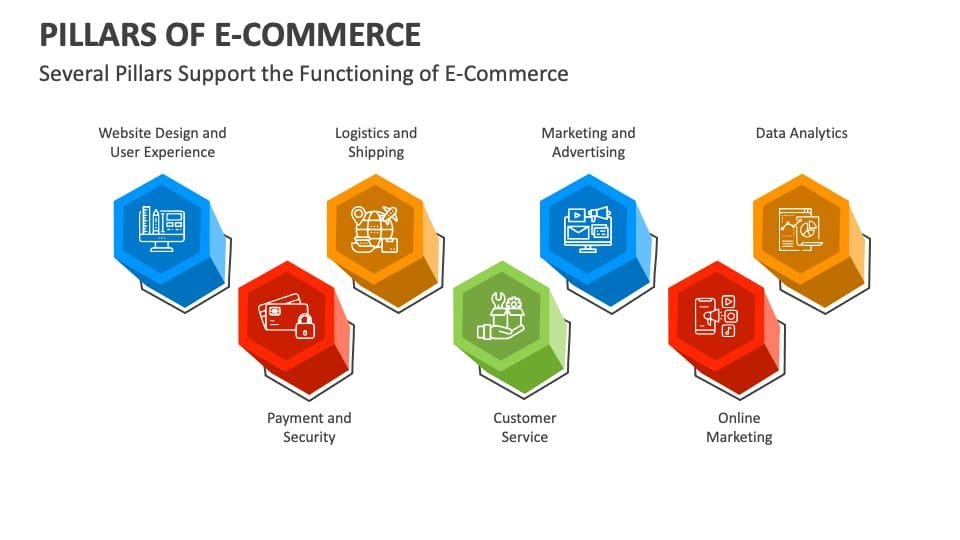

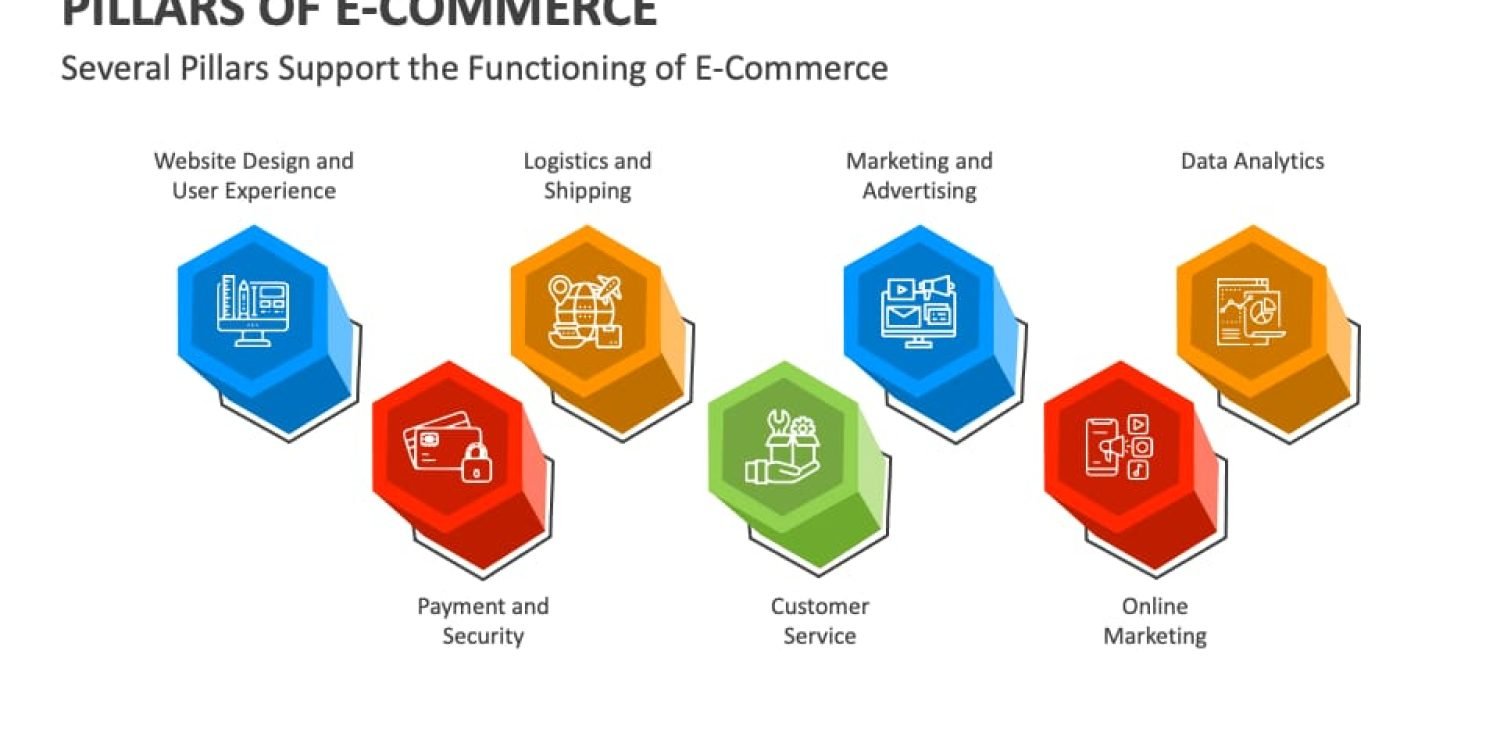
Introduction of Best 7 Pillars of E-Commerce Success (2026)
- Website Usability
- Conversation Rate Optimization(CRO)
- Checkout Process
- Digital Marketing(SEO & Social Media)
- Email Marketing
- Analytics
- Customer Experience

1.Website Usability(WX) in E-Commerce
Best 7 Pillars of E-Commerce Success (2026) Website usability is basically about making it easy for people to get around an e commerce site without getting frustrated. Like, if someone is shopping online, they want to find stuff quickly and not feel lost. I think the main parts that make it work are things like a simple design that just makes sense right away, and navigation menus that are straightforward so you do not have to hunt for buttons. Fast loading is huge too, because nobody likes waiting around, and it has to work well on phones since everyone uses mobile now. Then there are clear descriptions for products with good images, that helps a lot.
It seems like if the site is not user friendly, customers just bounce off pretty fast. They might be looking for one thing and end up leaving because its too confusing or slow. That bounce rate goes up, and well, that is bad for business. On the other hand, places like Amazon do this really well. They have all these search filters you can use, and recommendations that pop up, plus the layout is super simple. It keeps people sticking around longer.
One advantage I see is that it makes users happier overall, you know, they actually enjoy the experience. That probably leads to more time on the site, browsing around. And sales go up because they are more likely to buy if its easy. But there are challenges too. You have got to keep updating the site all the time to fix issues, and it takes real effort to design and test everything properly. Sometimes it feels like its never done, sort of ongoing work. Amazon probably spends a ton on that. I am not totally sure, but it makes sense that way.

2.Conversation Rate Optimization (CRO) E-Commerce
Best 7 Pillars of E-Commerce Success (2026) Conversion Rate Optimization, or CRO, is basically about getting more people who visit a website to actually do what you want them to, like buying something. I mean, its not just having traffic, you have got to turn those visitors into customers somehow, because that’s the real point for businesses.
One thing that helps a lot is making product descriptions better and using good images, you know, so people can see what they’re getting. Then there are those clear buttons that say stuff like Buy Now, which makes it easy to click and go. Adding reviews from customers and ratings too, that builds trust I think.
Sometimes reducing the steps in the buying process can make a big difference, it feels like fewer hurdles mean more people finish. And A/B testing, where you try different versions of a page to see what works better, that’s pretty useful. For instance, just changing a buttons color or making a form simpler might boost conversions a bit.
It seems important overall, since attracting folks is only half the battle, and without converting them, its kind of pointless.
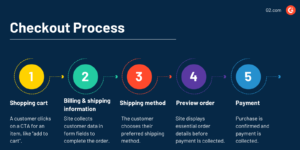
3.Checkout Process(CP)E-Commerce
The checkout part in online shopping is really important, I mean, if its too drawn out or confusing, people just leave their stuff in the cart and go. That happens a lot.
Best 7 Pillars of E-Commerce Success (2026) Like, to make it work better, it should be pretty straightforward and not take forever. Guest checkout sounds good too, so you don’t have to sign up if you don’t want to. And then there are all these payment ways, cards or UPI or whatever wallets they have now. Security has to be there, obviously, no one wants their info stolen. Pricing should be clear, nothing sneaky popping up at the end.
A bunch of folks ditch their carts because of surprise fees or when sites force you to make an account, or the forms are just a mess to fill out. It seems like that gets in the way every time.
Optimizing this stuff probably helps with sales, and customers feel better about it, but i’m not totally sure how much it changes everything.
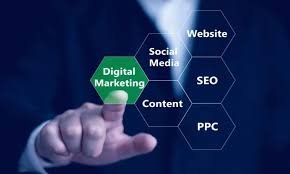
4.Digital marketing (SEO & Social media) in E-Commerce
Digital marketing really matters when it comes to getting people to an e-commerce site. I mean, without it, even a great website might just sit there with no visitors. It covers all sorts of ways to make things more visible and keep folks engaged.
One big part is social media, like on Instagram or Facebook. Businesses can post about their products there, chat with customers directly, and set up ads that target specific people. That seems pretty effective for building a following.
Best 7 Pillars of E-Commerce Success (2026) Then there’s search engine optimization, or SEO. It helps push a site up in Google searches so more people find it naturally. Stuff like picking the right keywords, making good content, fixing the technical side, and getting links from other places all play into that. I think keyword stuff is key, but the rest ties in too, even if its a bit complicated.
Paid ads come in handy as well. You know, things like Google Ads or those on social platforms. They let companies reach way more people quickly, especially if you want fast results.
Overall, skipping digital marketing could mean missing out on customers big time. Its kind of essential, though some sites might get by on word of mouth alone.

5.Email Marketing(EM) in E-Commerce
Best 7 Pillars of E-Commerce Success (2026)
Email marketing seems like a really good way to talk to customers and keep them coming back over time. I mean, it helps build those long-term connections without too much hassle.
Best 7 Pillars of E-Commerce Success (2026) There are different kinds of emails businesses send out. Like welcome ones that introduce new people to the brand, which I think is important because it gets them excited right away. Then there are promotional emails with discounts and deals to push sales. Abandoned cart ones remind folks about stuff they left in their cart, which probably saves a lot of lost orders. Transactional emails are the boring but necessary ones, like confirming an order or updating on shipping. And personalized emails based on what customers like or do, that feels more targeted somehow.
How to Grow an E-Commerce Business
The advantages are pretty clear. Its cost-effective, doesn’t cost a ton to run. Plus, the return on investment is high, which means you get more back than you put in. And its a direct way to communicate, no middleman or anything.
Many e-commerce places use something like Mailchimp to handle all this. They automate the campaigns and track how they do, I guess to see what works. That part stands out, because without tools it would be a mess to manage. Some emails just overlap a bit, like promotional and personalized, but overall it keeps things going.

6.Analytics in E-Commerce
How to Grow an E-Commerce Business
Analytics is pretty important for businesses, I think, because it helps figure out what customers are doing and how to make things better overall. Like, without it, companies might just be guessing about stuff.
Best 7 Pillars of E-Commerce Success (2026) There are these key metrics that people talk about. Website traffic shows how many people are coming to the site, which is a start. Then conversion rate, that’s when visitors actually buy something or sign up. Bounce rate is kind of the opposite, where people leave right away without doing much. Average order value, well, that’s how much they spend each time. And customer lifetime value, which I guess means the total over time from one customer. It all connects somehow, but tracking them can get complicated.
Tools make it easier, at least. Google Analytics is one that a lot of businesses use to see the data and break it down. It tracks everything from traffic to where people drop off. How to Grow an E-Commerce Business
Best 7 Pillars of E-Commerce Success (2026) The benefits seem clear enough. It points out what is working and what is not, like strengths and weaknesses in the setup. Businesses can make decisions based on actual numbers instead of hunches. And for marketing, it helps tweak strategies to get better results. Some people might say it is overrated, but I am not totally sure.
Take an example. Suppose the analytics data shows a ton of traffic but conversions are low. That is frustrating. The business could then work on conversion rate optimization, or CRO, maybe simplify the checkout so people do not bail. It feels like that part stands out, how one issue leads to fixing another. Not everything gets resolved perfectly, though.
7.Customer Experience(CX) E-Commerce
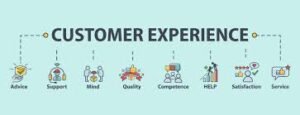
Shopping online customer experience covers the whole process of how people feel when they browse a site, pick out items, and go through checkout. It includes the after part too, like getting help if something goes wrong or returning stuff. In this online world where you cannot actually see or touch products, companies need their websites to load quick and feel a bit personal. That way customers do not get frustrated and quit.
Best 7 Pillars of E-Commerce Success (2026) The buying journey starts way before the actual purchase. People search for things, read reviews on the site, and look at details to decide. It can get overwhelming with all that info sometimes, I think. Then adding to the cart and paying should be easy, with smooth options for payment.
If the experience turns out good, customers feel satisfied and come back more. Loyalty builds from that, and they might even tell their friends. Repeat business keeps everything running, that part stands out to me. But a bad one means they abandon the cart, leave negative reviews, and the company loses out fast.
It costs way less to hold onto existing customers than to chase new ones. Focusing on this stuff helps with keeping people around. Businesses get ahead when they make their site stand out, even if they sell similar products. Sales pick up from better conversion rates, revenue increases that way. How to Grow an E-Commerce Business
Satisfied shoppers trust the brand and turn into real fans over time. Best 7 Pillars of E-Commerce Success (2026) That advocacy spreads the word without needing extra ads. Though if it is just okay, not amazing, some people probably do not bother recommending it.
After buying, tracking the order and getting delivery on time matters a lot. Returns and support come next, and each of these steps shapes the overall feeling. It seems like the stuff after purchase can really decide if someone stays loyal or not, even when the buying went fine.