
what are 4 C’s of e-commerce
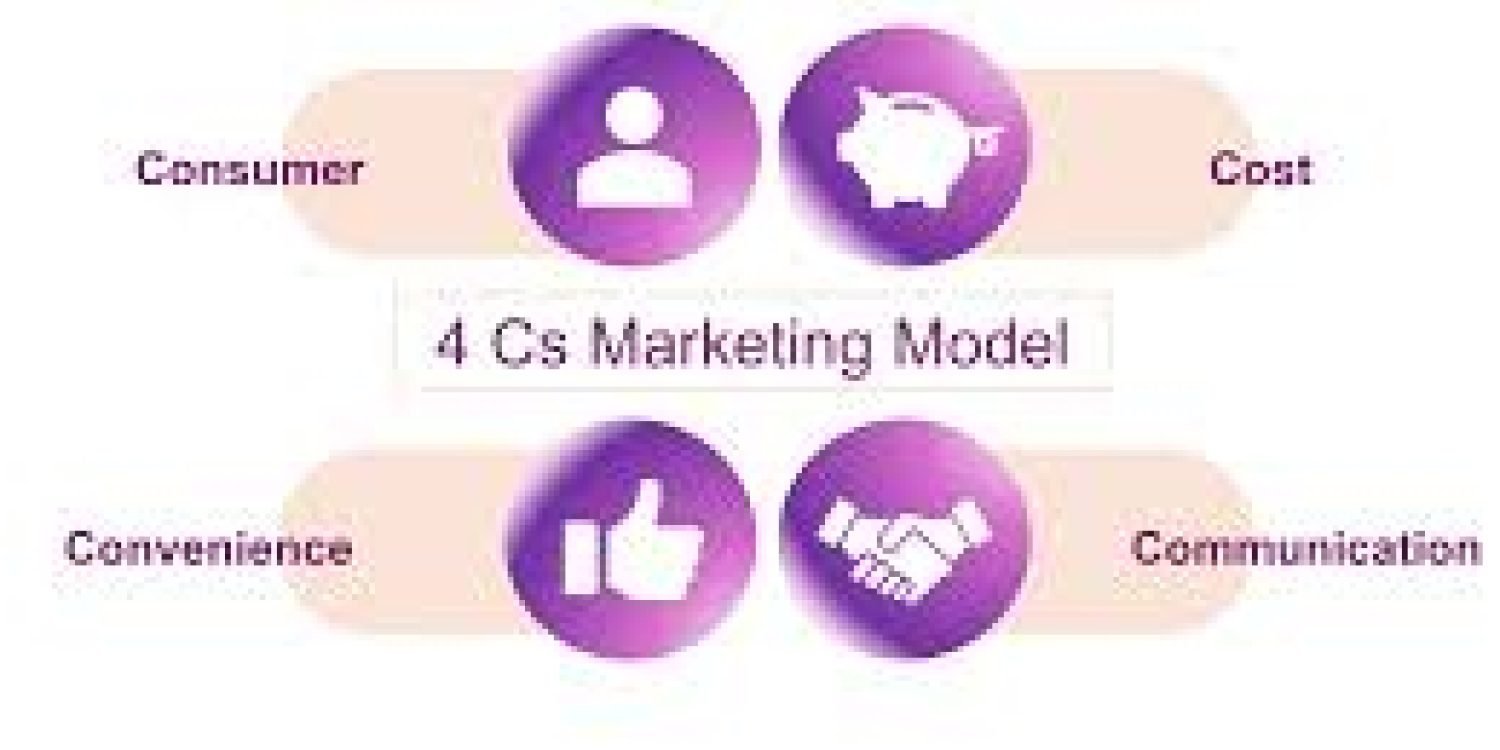
- Customer
- Cost
- Convenience
- Communication
1.Customer
The customer part feels like the biggest deal in all this. Businesses cant just push products out there without thinking about what people really want or need, you know. It seems like the whole point is to get what customers value.
Like, figuring out their preferences and how they act, all that stuff about expectations too. Then maybe offering things that feel personal to them. And the products or services have to actually fix some real issue they have.
Amazon does this with those suggestions that pop up based on what you’ve looked at before. Its kind of smart how it works.
I think the main thing is, don’t bother selling if you’re not giving real value to the customer. That part gets messy sometimes, but it stands out.
In e-commerce, the customer really comes first, I mean, that the whole point of the C in whatever framework this is from. Everything you do online has to spin around what people want, their issues, how they shop, all that stuff. It seems like without getting that right, nothing else works.
Like, who are these customers anyway. You have to figure out their age, where they live, what interests them, and especially the problems they are dealing with every day. Then, based on that, you make products or services that actually help solve those things. Its not just guessing, though, because if you don’t know what they prefer or how they behave when buying, you are kind of lost.
Why does all this customer focus even matter so much. Well, online, people have a million choices, right. One click and they are gone if your site feels off or doesn’t load fast. That’s why making everything customer centered is super important, from the design to the overall plan. It keeps them coming back instead of bouncing to competitors.
To really zero in on customers, one way is creating these buyer personas. You sketch out your ideal customer, like their habits when they buy stuff, the challenges they run into. That helps guide decisions. Personalization fits in here too, showing them products that match what they have looked at before, or sending emails that feel tailored just for them. Dynamic content on the site can change based on their actions, which makes it more engaging.
User experience is another big part. The website needs to be simple to get around, work great on phones since everyone uses mobile now, and load quickly so no one waits around frustrated. I think that the part that stands out, because a clunky site just turns people away fast.
Then there getting feedback from them directly. You can use reviews they leave, or surveys to ask what they think, ratings on products too. It all loops back to understanding needs better, though sometimes its messy figuring out how to act on all that input. Anyway, without paying attention to customers like this, an e-commerce business probably wont last long.
2.Cost
When people talk about cost in shopping, its more than the sticker price on something. Customers give up a bunch of stuff, like the actual price of the product itself, plus shipping fees that add up sometimes. Then there’s the time they waste just looking around online, and the hassle of checking out different options to see what’s best.
I mean, platforms such as Flipkart try to make it feel less burdensome by throwing in discounts or free shipping, and returns that aren’t a pain. It helps lower how expensive everything seems overall, even if the price tag stays the same.
The main thing here is to cut down on that total cost to the buyer, you know, not only focus on dropping the price alone. It seems like that’s what stands out.
Platforms like Amazon do well because they figure out what customers want and give them suggestions that feel personal. I think that helps a lot with keeping people coming back.
Cost is the next big thing in this, the second C. Its not only the price of the product. It covers everything the customer ends up paying when they buy from your online store.
What goes into cost exactly. Well, the product price for sure. Then shipping charges that add up. Taxes too, those can surprise people. And time spent browsing or waiting. Effort like filling out forms or dealing with the site.
Customers look at prices on different sites all the time. A small difference might make them go somewhere else. That is the part that stands out, how even little costs affect if they buy or not.
To make cost better, start with transparent pricing. No hidden charges that pop up later. Show the final price right away. Make shipping costs clear from the start.
Discounts and offers help too. Like seasonal sales that draw people in. Coupon codes people can use. Or bundle pricing where you get more for less.
But don’t always go for the lowest price. Value over price, that makes sense. Offer better quality stuff. Faster delivery so they don’t wait forever. Free returns if something is wrong.
Reducing time cost is important. Quick checkout process. Let them check out as a guest without signing up. Autofill forms to make it easier.
Many sites do free shipping if you spend over a certain amount. That lowers how the cost feels overall. It seems like a simple way to keep customers happy. Some people might still compare, but it works for a lot of them.
3.Convenience
Convenience in online shopping is basically about making it simple for people to look for stuff, pay for it, and get it delivered without too much trouble.
things like having a website or app that’s easy to use help a lot with that.
Then there’s the checkout, which should not take forever, and options for different ways to pay so customers do not get stuck.
Delivery needs to be quick too, otherwise people might just give up.
you have seen apps like myntra, they make navigating around pretty smooth, and ordering does not feel complicated at all.
It seems the main point is to keep the whole buying process fast and without hassles, kind of straightforward.
Some parts of this might overlap a bit, but yeah, that is what stands out.
Convenience seems like one of the key things when it comes to making customers actually buy stuff from your online store. Its about how simple it is for people to get through the process without getting frustrated. I mean, if the website is hard to use or takes forever to load, most folks just click away and go somewhere else. That directly messes with how many sales you end up with, right.
Things like making sure the site works well on phones is huge now, since so many people shop that way. You need a design that adjusts to different screens, easy ways to move around, and pages that pop up quick. Then there’s the checkout part, which should’nt have a ton of steps. Maybe just one page where they can pick UPI or cards or whatever wallet they use. And delivery, that’s another big one. If you can promise same day or next day, and let them track it in real time, people feel better about ordering.
Search features help too, like a smart bar that guesses what they want, or filters for categories so they don’t have to dig forever. It feels like apps such as Flipkart and Amazon nail this, with their quick deliveries and straightforward buying. I think that’s why they’re so popular, though sometimes even they have glitches.
Shifting to communication, its all about how you talk to customers and keep them engaged. That covers support options, emails, social media chats, and those notification pops. Good back and forth like that builds trust over time, and loyalty too, so people keep coming back and maybe even tell friends.
To make it better, live chat seems essential, with bots for quick answers or real people around the clock. Email can send updates on orders, special deals, or suggestions based on what they bought before. On social, responding fast to comments or posts helps create a sense of community, sharing news or just being present. And don’t forget clear details on products, like descriptions, FAQs, or what happens with returns. Brands that jump on social queries right away, I notice, end up with customers who stick around longer. It gets a bit messy trying to balance all that, but it pays off.
4.Communication
Communication with customers isn’t really just the business talking all the time. Its more like a back and forth thing that keeps things going.
You see it in customer support stuff, where people can chat right away or send an email or even call if they need to. That helps sort out problems quickly. Feedback comes in through reviews too, and its kind of important because it shows what customers actually think.
Social media engagement is another part, like brands posting on Instagram to get people talking back. They do that actively these days, trying to pull customers in more. Order updates and notifications pop up to keep everyone in the loop, which feels necessary but sometimes gets overlooked.
I think the key here is about building real relationships, not just handling one transaction after another. It seems like that makes a difference, though I’m not totally sure how every brand pulls it off. Some might focus more on the sales side anyway.
The old marketing mix is the four Ps, like product, price, place, and promotion. That stuff came from back when businesses mostly thought about what they were selling. Now there’s this newer version, the four Cs, which are customer, cost, convenience, and communication. It flips things around to focus on the buyer side. Product turns into customer needs, price becomes what the customer sees as cost, place shifts to how convenient it is, and promotion is more about communication.
I think the four Cs fit better with e-commerce because online shopping is all about making the customer happy, not just pushing stuff out. In the old model, it was seller centered, but now its like, what does the person on the other end actually want or need.
When you put the four Cs together, that’s where it gets useful for running an online business. First off, you have to really get who your customer is, like their habits or what they look for. Then offer costs that make sense to them, maybe through deals or something. Convenience means making everything easy, no hassle in getting the order. And communication keeps them in the loop, so they feel connected.
Take an example, say you’re doing an online clothing store. You could suggest clothes based on what they’ve looked at before, that covers the customer part. For cost, throw in discounts or free shipping to keep it affordable. Convenience would be a simple checkout and quick delivery options. Then for communication, send emails about the order status or even some personalized offers.
But people mess this up sometimes. Like, not listening to what customers say in feedback, that can kill trust. Or hiding extra costs right at the end of checkout, which annoys everyone. Websites that are too complicated to navigate, they just drive people away. And if customer support is bad, forget about repeat buys.
Using the four Cs right leads to better satisfaction overall, I suppose. Customers stick around more, conversions go up because the process feels smooth. Brand loyalty builds when things are convenient and communicated well. User experience improves, and yeah, sales and revenue follow from that.
It seems like in todays online world, with so much competition, the four Cs help businesses stand out by solving real problems for shoppers instead of just selling. They create that easy flow from browsing to buying. If you’re aiming for long term in e-commerce, its probably smart to shift your thinking to the customers side, not just the sellers. Some might say the four Ps still work fine, but I feel like the Cs handle the digital stuff better.